

How The GARF Helped Restore George A. Romero’s Lost Film
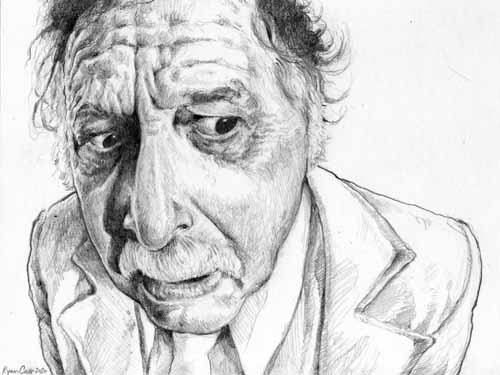
George A. Romero’s The Amusement Park is one of the most unusual works in his filmography. Commissioned by the Lutheran Society and filmed in 1973, the project was not designed as a traditional horror movie. Instead, it used the setting of an amusement park to confront the neglect, confusion, isolation, and humiliation that older Americans often experience.
The film stars Lincoln Maazel as an elderly man who enters a bright, crowded amusement park and gradually becomes disoriented, dismissed, and pushed aside. Roller coasters, concession stands, crowds, and carnival attractions become part of a disturbing social allegory. The result is not horror in the usual Romero sense, but it is unmistakably unsettling.
For decades, The Amusement Park remained difficult to see and was often described as a “lost” George A. Romero film. Its rediscovery and restoration became one of The George A. Romero Foundation’s most important preservation projects.
Why The Amusement Park Matters
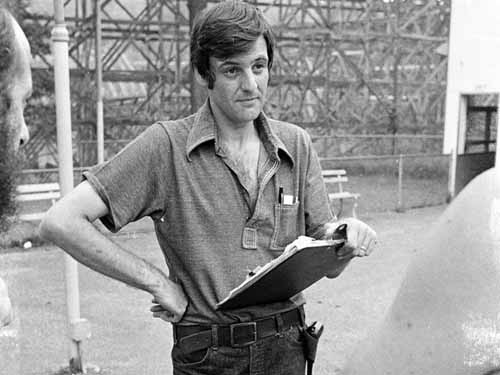
The Amusement Park offers a rare look at Romero’s early filmmaking instincts outside of the zombie genre. Even though the film was made as a commissioned educational project, it contains many of the ideas that would continue to define his work: social indifference, institutional failure, public cruelty, and the horror hidden inside everyday life.
Suzanne Romero, the GARF’s president and founder, has described the film as “disturbing in its depiction of societal indifference to aging,” while also noting that it provides “a fascinating look at the footprint of Romero’s cinematic style.”
That is what makes the film so important. It expands the understanding of Romero’s career. It shows that his interest in social horror was not limited to the undead. Even in a short commissioned project about aging, Romero found a way to make public spaces, crowds, and ordinary systems feel deeply uncomfortable.
Restoring The Amusement Park
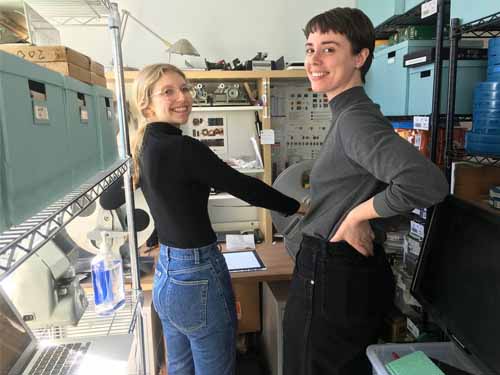
With support from donors and a partnership with IndieCollect, GARF helped preserve and restore The Amusement Park. IndieCollect, led by Sandra Schulberg and her team, worked to restore the film and prepare it for a wider audience.
The project unfolded in phases. GARF selected IndieCollect for the restoration, and early plans included presenting a teaser during the Brooklyn Academy of Music retrospective, Living with the Dead: The Films of George A. Romero.
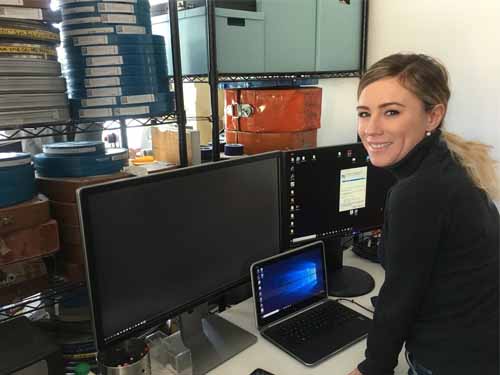
As restoration continued, GARF shared updates with supporters and continued fundraising. By the second phase of the project, donations had helped raise roughly half of what was needed to complete the work. During that process, archival materials and images connected to the film were also uncovered, giving supporters a deeper look at the project’s history.
In January 2020, The Amusement Park was scheduled to screen at New York’s Museum of Modern Art as part of MoMA’s “To Save and Project” initiative, with members of GARF’s board and advisory board in attendance. Later that year, Yellow Veil Pictures acquired worldwide sales rights to the newly restored film and began presenting it to the international market.
In 2021, thanks to donor support and the IndieCollect partnership, GARF helped bring Romero’s long-unavailable film back into public view.
From Forgotten Project To Wider Recognition
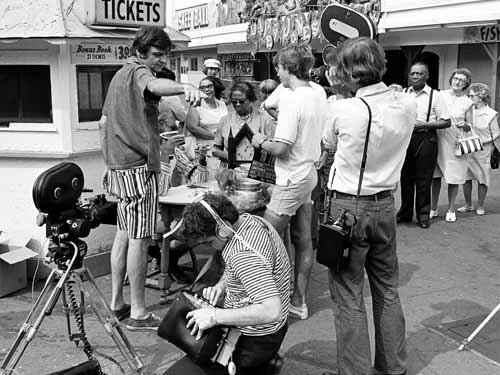
Romero himself once downplayed The Amusement Park, saying it was made quickly: “It was done in three days. Bing, bang, boom…done! It was nothing!”
But the film has proven to be far more than a minor footnote. Its restoration gave audiences, scholars, and fans a chance to reconsider a lesser-known part of Romero’s career. It also helped show how strongly his social concerns were already present in his early work.
The restored film now stands as an important example of why preservation matters. Without restoration, The Amusement Park could have remained unseen, misunderstood, or forgotten. With care, support, and collaboration, it became available to a wider audience and took its place within Romero’s legacy.
A First Step In A Larger Preservation Effort
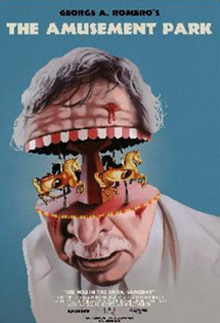
The restoration of The Amusement Park was not just about one film. It represented the kind of work GARF hopes to continue: locating, preserving, restoring, and sharing works that might otherwise be lost.
More than half of all films made before 1950 are believed to be lost, and only a small percentage of American films produced before 1929 have survived. That history makes preservation urgent. Every restored film protects part of our cultural memory.
By supporting GARF, donors help continue the work that made The Amusement Park restoration possible. Contributions help preserve George A. Romero’s legacy and support future projects connected to film history, horror scholarship, and the Horror Archives.
Support GARF’s Preservation Work
The restoration of The Amusement Park was made possible through donations, collaboration, and a shared belief that George A. Romero’s work deserves to be preserved for future generations.
Please consider donating to The George A. Romero Foundation to help continue this mission. You can also sign up for the GARF newsletter to receive updates on current projects, restoration work, archival discoveries, and news from the Horror Archives.
Additional Resources
The Amusement Park At The University Of Pittsburgh’s Horror Studies Center